
Gold Continues its Raging Bull Market — What Does this Mean for Bitcoin's Future Price?


BTC has been trading sideways for a long time, but the silent flames of the trade war have spread to the entire world.
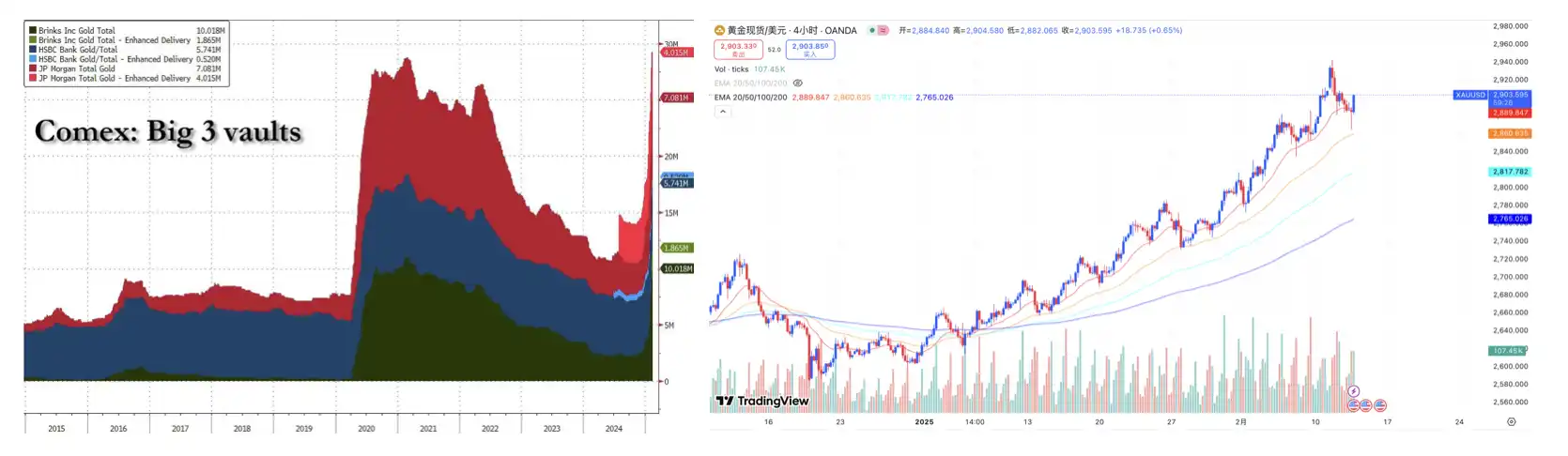
The gold holdings of the "Big Three" of COMEX: Brinks, HSBC, and JPMorgan Chase, have skyrocketed in a few days, exceeding historical highs. A large number of institutional investors are frantically increasing their gold holdings. During the high-level consolidation and volatility of BTC since January, gold has surged more than 13%.
The Macro Historical Roles of Gold, the US Dollar, and Bitcoin
When discussing the relationship between the wild bull market in gold and its impact on the price of BTC, let's first review the historical roles of both compared to the US dollar.
Naturally, as a currency, gold enjoys the love of many, and people's faith in gold has created its supreme safe-haven attribute.
Eighty years ago, the US and 43 other countries established the Bretton Woods system, with China also being a founding member. The Bretton Woods system was a gold standard system that fixed exchange rates. The currencies of other member countries were tied to the US dollar, which, in turn, was tied to gold. Member countries agreed to the US-set price of $35 per ounce of gold, meaning each dollar was backed by 0.888 grams of gold. Member countries' governments could exchange dollars with the Federal Reserve at this price for gold.
In 1971, gold surged, the US dollar plummeted, and the US faced a gold drain, unable to meet its obligations. President Nixon announced the closure of the gold window, leading to a collapse of the Bretton Woods system. Behind this was the natural contradiction of the Triffin Dilemma: the US could not simultaneously export dollars and goods to other countries. In the 1960s, the US continued to export dollars but import goods, leading to an expanding trade deficit. The US dollar's credit was under immense pressure.
Since then, the gold standard has completely exited the historical stage, entering the era of fiat currencies. Gold was defeated by the US dollar and was no longer a currency but a financial asset. From then on, the gold bear market and the US dollar asset bull market began.
At the time of the 21st-century Nasdaq bubble burst, the Federal Reserve aggressively cut interest rates, kept them low for an extended period, and engaged in continuous quantitative easing. The Fed's balance sheet rapidly expanded as it purchased large amounts of medium- to long-term US Treasury bonds to increase the money supply, injecting liquidity into the market to stimulate investment, household consumption, and business expansion.
For the US government, quantitative easing stabilized the financial market, stimulated economic recovery, brought incremental investment and household consumption, and drove corporate expansion. However, for the global market, the supply increase from such quantitative easing is undoubtedly vampiric. The pricing of major assets is still primarily in US dollars, and the Fed is "printing money" for the US economy, injecting a large amount of liquidity. Liquidity doesn't materialize out of thin air but is drawn from other economies.
Many economies' resistance to the "dollar hegemony," leading to their own assets being "sucked dry and devalued," has been key. One significant way is for economies' central banks to buy gold to maintain a partial anchor to gold in their economy.
It was also during the Fed's first massive quantitative easing that BTC, "this peer-to-peer electronic payment system," came into being.
BTC has no central issuing authority and is not directly controlled by any government or financial institution. Its total supply is strictly limited to 21 million coins, and governments cannot increase its supply as with fiat currency. During periods of monetary expansion and high inflation pressure, BTC's scarcity theoretically gives it better value preservation capabilities, helping to resist inflation's erosive effects on assets to some extent.
Since Satoshi Nakamoto invented BTC, it should have become a safe haven asset to counter monetary expansion and significant inflation pressure, serving as a tool for everyone and every economy to resist Fed's quantitative easing attacks and maintain their property value as stable as possible.
"When the author finished writing this book, he was already dead."
Today, with various factors such as the Strategy continually issuing debt to buy BTC, BTC ETF attracting a large amount of US risk capital, BTC's hedging properties have now been infinitely compressed, becoming a dollar asset highly correlated with the US stock market.
Recent Gold Bull Run
On February 12, another 600,000 ounces of gold were delivered to the COMEX vault, bringing the total inventory to 36.1 million ounces. The physical gold reserves of the "Big Three Vaults"—JPMorgan Chase, HSBC, and Brinks—have exceeded the peak during the epidemic, reaching a historic high.
Over the past twenty years, the pricing logic of gold has been essentially determined by a balance of US dollar credit, fund hedging, and investment flows. When these three factors act in the same direction, gold often sees its largest price surges.
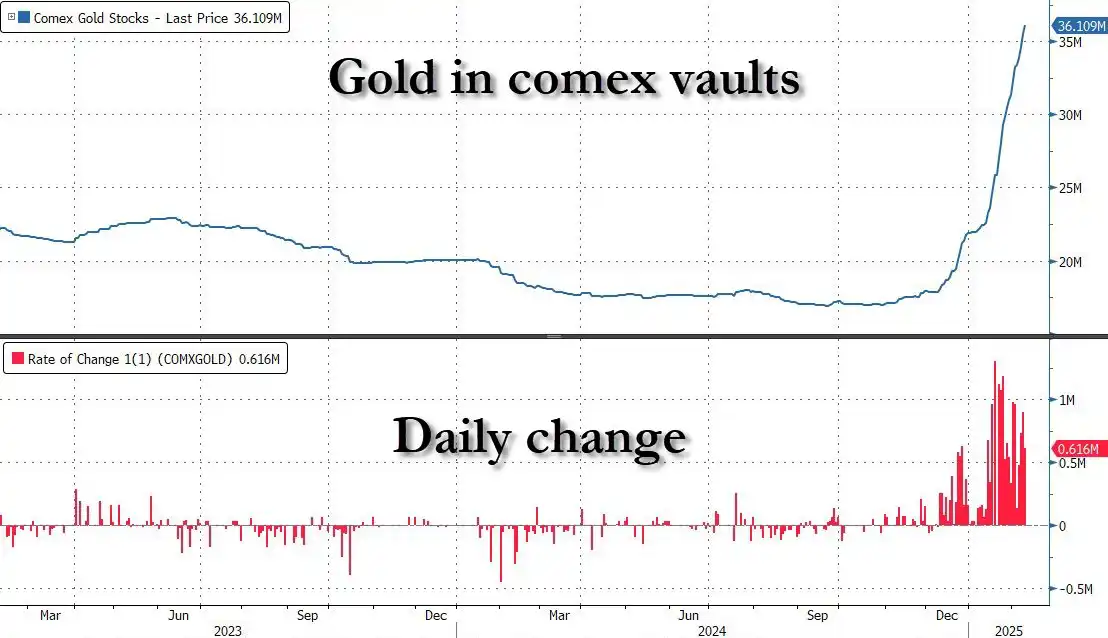
The purchase of gold as a crisis hedge has, to some extent, indicated that institutional investors' fear of the financial markets is intensifying, possibly due to economic recession risks, monetary policy uncertainty, and smart money in the market preparing for a major impending recession or inflation event. On the other hand, it reflects the Trump administration's imposition of tariffs worldwide. Non-dollar currency markets are undergoing a strong resistance to de-dollarization, with central banks of BRICS countries massively buying gold, and the gold-backed trade settlement system is rapidly developing.
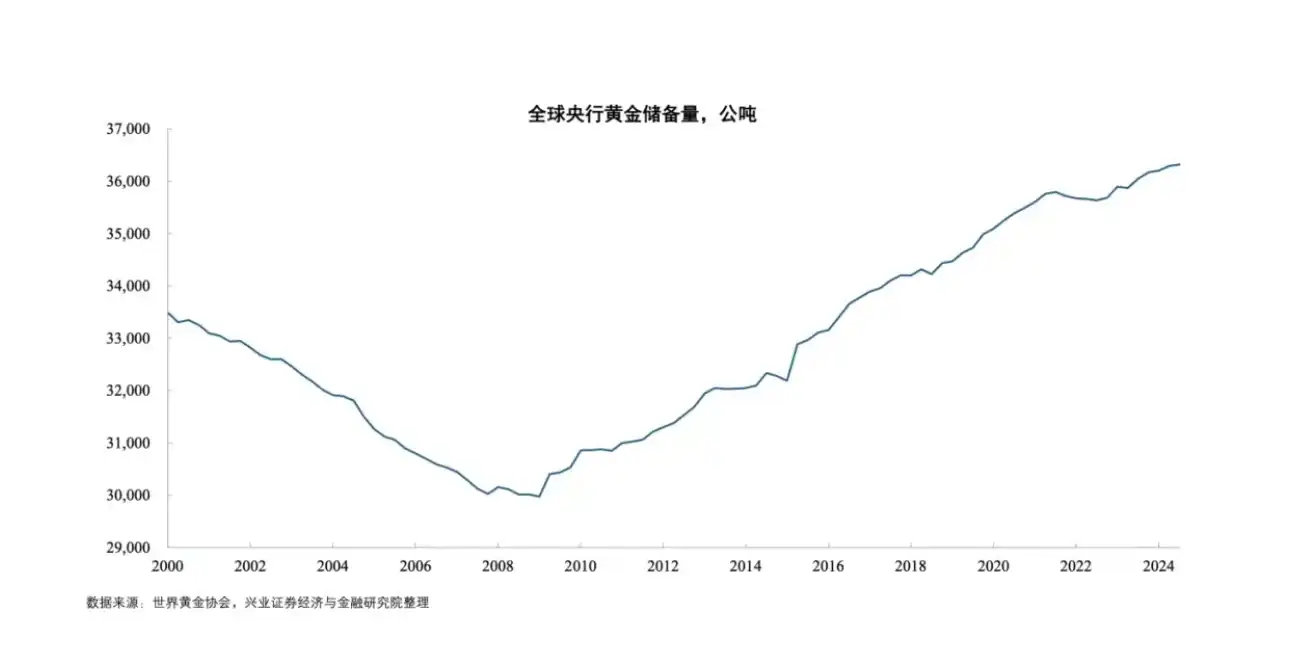
In addition, due to direct US-UK import and export tariffs, some market expectations of the Trump administration's global imposition of tariffs leading to the taxed price of physical gold flowing from the UK to the US becoming more expensive, a large number of arbitrage traders are frantically moving gold from the UK to the US.
A major gold supply bank based in Singapore, a gold trader, stated that "the price of gold is soaring, and in Asia, gold demand has almost disappeared. At the same time, the United States has presented a great opportunity, and naturally, almost every bank wants to seize it—to transfer gold to the New York Commodity Exchange (COMEX) for delivery, to earn arbitrage profits." A significant futures-to-spot price difference has emerged, with the U.S. February 3rd gold futures premium over spot gold reaching $40, Indian gold prices at a $15 discount, and Chinese prices at only a $1 discount. In this situation, gold shorts can only try to replenish their gold stocks to cope with potential delivery demands, and COMEX's gold inventory has begun to "flywheel."
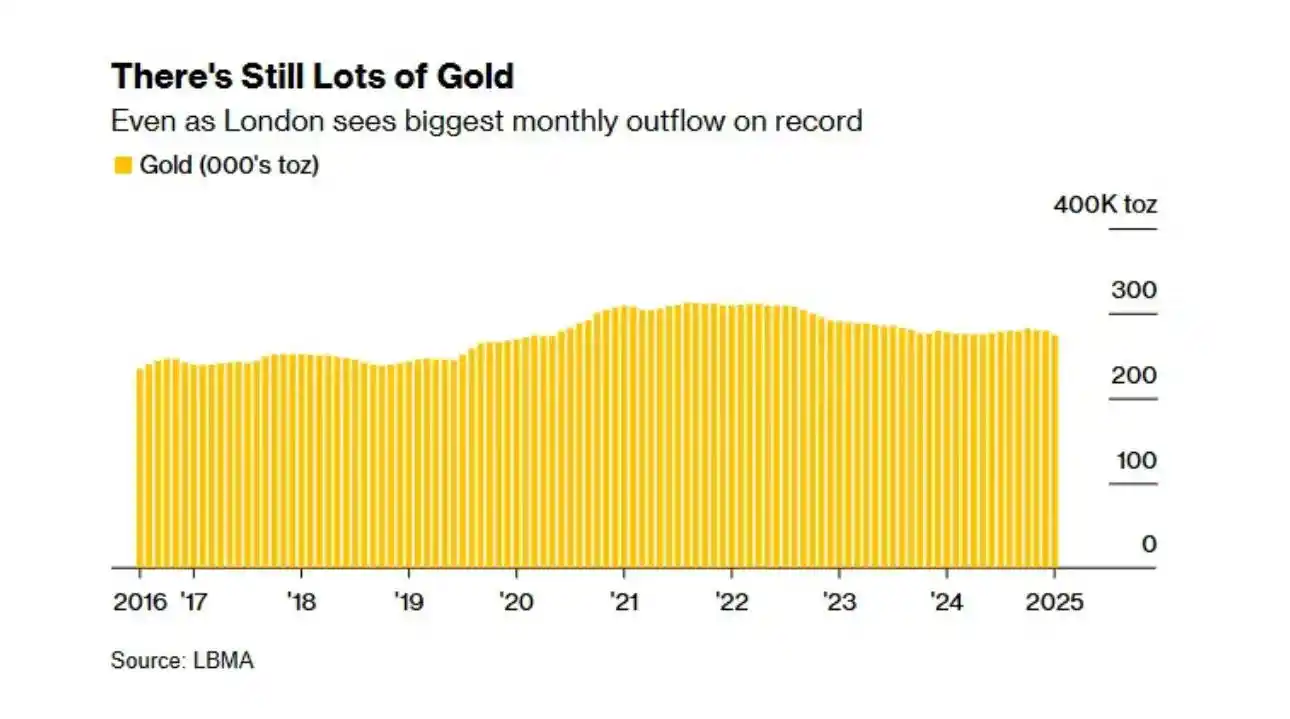
A large amount of gold has been moved from London to New York. In January 2025, according to data collected by the London Bullion Market Association, the amount of gold held in London's vaults decreased by 151 tons compared to the previous month, a decrease of 1.74%, marking the largest monthly decline since 2016.
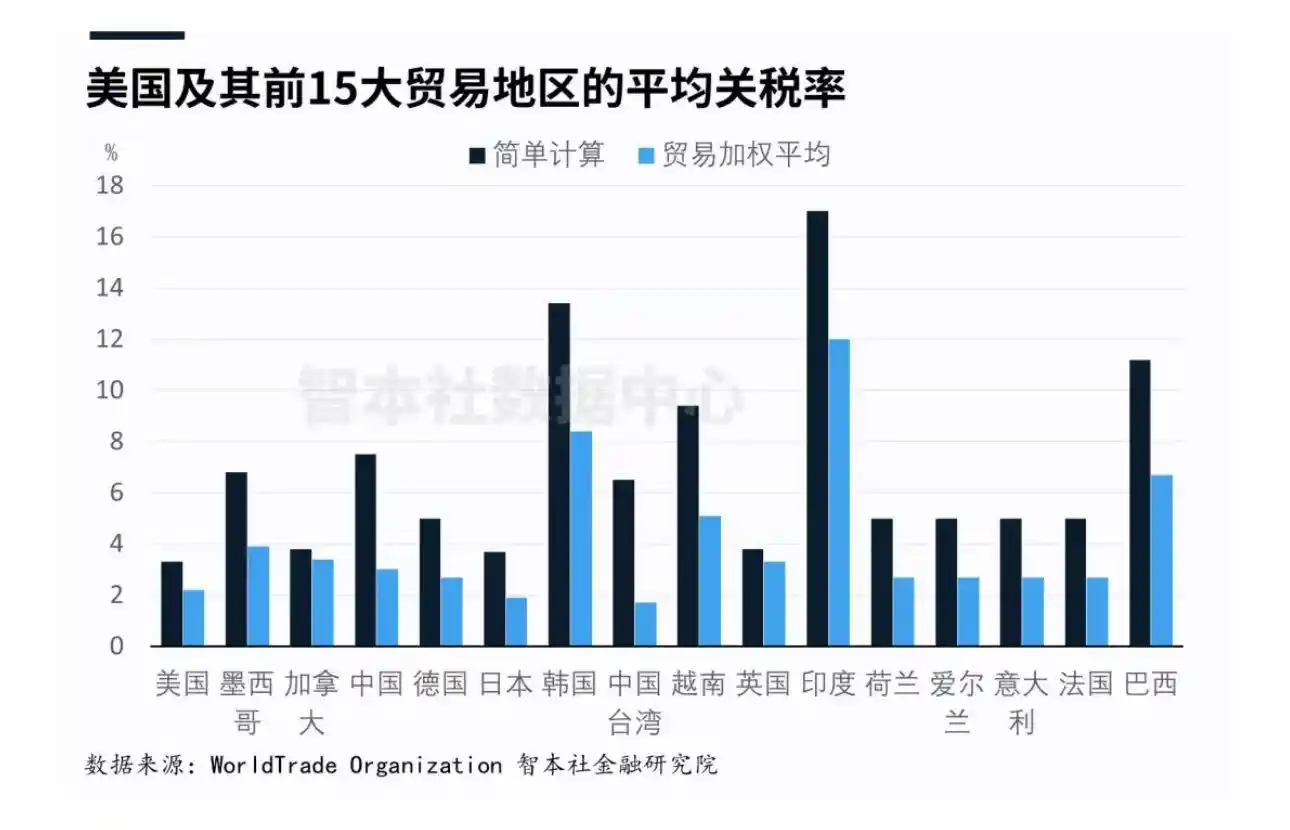
Arbitrage traders, hedge funds, global central banks, all major institutional investors seem to be following their respective investment logic, making a similar move—buying gold, resulting in a significant surge in gold prices. This is a unique gold-specific trend, independent of the U.S. 10-year Treasury yield and the U.S. dollar index.
Policy Swings of the Trump Administration
Let's revisit the past governing policies of the Trump administration and some of the current policies being implemented.
During the previous term of office, the Trump administration's policies generally showed a tendency towards a "strong dollar." The first Treasury Secretary explicitly stated that the U.S. would continue to pursue a "strong dollar" policy, implement trade protectionism, impose tariffs, causing America's trading partners to lower their currency exchange rates to increase exports, leading to a stronger dollar. This, to some extent, supported U.S. fiscal expansion and bolstered the dollar.
Currently, the Trump administration continues the policies of the previous term, adopting trade protectionism and tax reduction policies, remaining focused on a "strong dollar." Both the U.S. dollar index and the 10-year Treasury bond yield have long confirmed consensus on the macro trend.
At a micro level, the uncertainty of tariffs, the Trump administration's vacillation on imposing tariffs on different countries and asset categories, is repeatedly testing at a micro level. The Trump administration's verbal intervention in exchange rates is tightening expectations for a strong dollar, with Trump sometimes expressing support for a strong dollar, emphasizing the importance of the dollar as the global reserve currency; and at other times criticizing the dollar for being too strong, believing that a strong dollar will harm U.S. manufacturing's export competitiveness. Uncertainty about policy expectations could lead to a change in the macro trend or just minor oscillations, continuing the uptrend at the macro level.
However, this uncertainty risk has essentially confirmed that gold has transitioned into a safe-haven environment, with a large number of institutional investors increasing their gold allocations to hedge against the uncertain risks of global economic recovery.
What about BTC?
The continued inflow into COMEX gold vaults may confirm that gold has transitioned into a safe-haven environment. A combination of geopolitical changes, escalating debt concerns, and potential stock market instability may drive institutions back to the gold market, with bond yields remaining volatile and the stock market facing increasing downside risks.
At this moment, BTC, as mentioned earlier, should ideally play the role of a safe-haven asset. However, with the Trump administration's cryptocurrency policies, a significant number of U.S. publicly traded companies holding BTC, and the BTC ETF becoming an increasingly important purchasing power for BTC worldwide, BTC has become a USD-denominated asset instead.
Currently, gold and BTC are in a delicate relationship of opposition and unity. To some extent, their pricing logics complement each other, but they also have areas where they "leech" off each other. Cryptocurrencies represented by BTC are most sensitive to liquidity, while gold is most sensitive to risk.
From a liquidity perspective, the Fed's rate cuts will inject a large amount of liquidity out of stable bonds into the gold and bitcoin markets. From a safe-haven perspective, in times of major crisis, gold can accommodate more safe-haven funds, while BTC is more likely to fluctuate alongside the U.S. stock market.
Therefore, unless there is a significant change in the short-term macro environment, a strong bullish trend in gold does not necessarily have a resonating effect on BTC. When risk aversion sentiment wanes, it may lead to some liquidity outflow from certain safe-haven assets into risk markets represented by BTC and U.S. stocks.
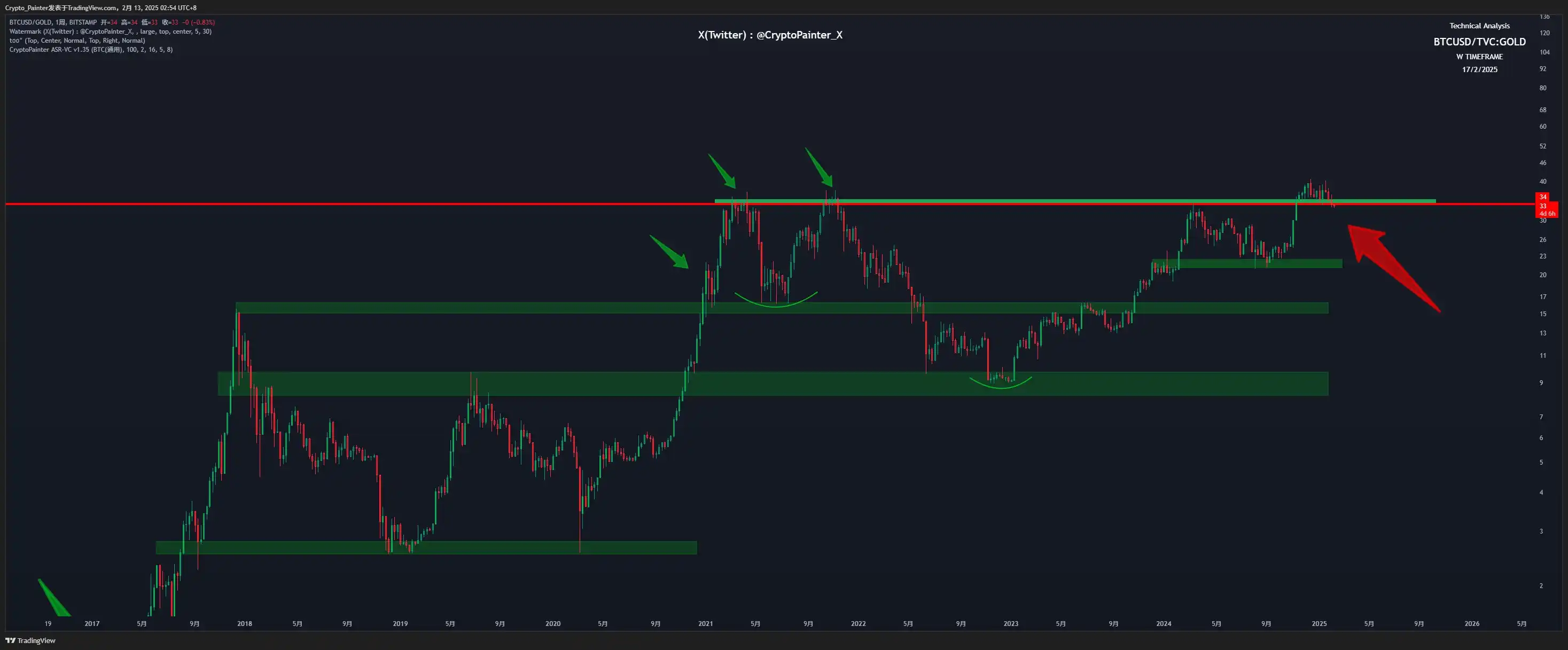
When we observe the BTC/GOLD price index change, the current situation seems to have dropped below the lower boundary of the range since 2025. If it cannot fully recover in the next two weeks, the collaboration between BTC bulls and gold bears will end in failure, signaling a failed breakout. This failure may represent a decrease in market risk preference in the near future, reducing investments in risk assets represented by BTC and increasing investments in safe-haven assets represented by gold.
When we zoom in and observe the volume-price structure of the daily BTC/GOLD chart, we review the breakout chart of BTC/GOLD since November 6th.
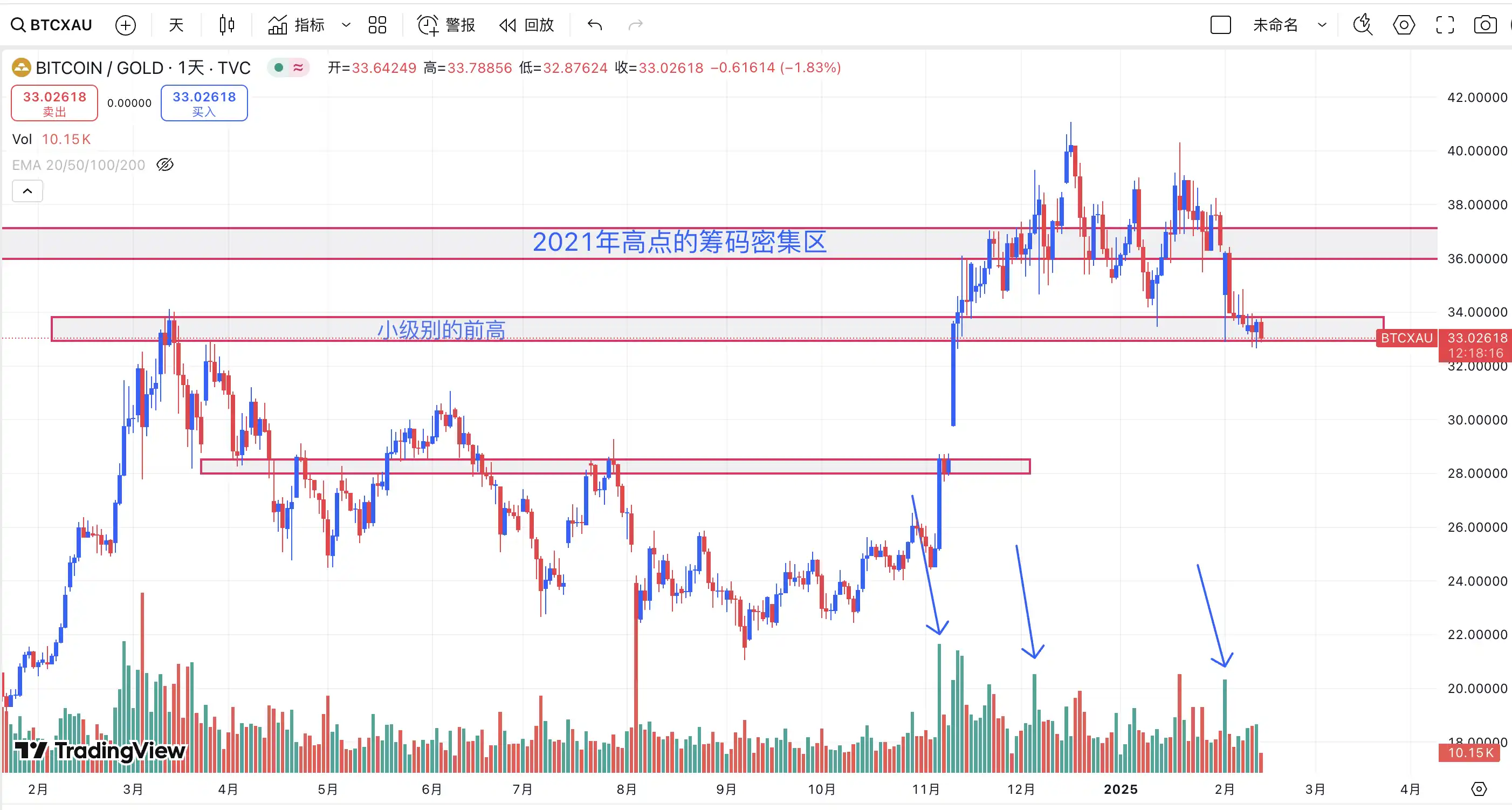
The first arrow-starting volume-price pattern is the beginning of a breakout volume-price pattern. At this time, the macro environment is President Trump's preparation for reelection as the President of the United States, becoming the first "Crypto President" in history. The first candlestick starting from the arrow shows synchronized volume and price action, with a very short upper shadow, confirming strong demand. The next candlestick shows significantly reduced volume, a short body, and very weak selling pressure. The following candlestick continues to rise significantly, with volume decreasing compared to the previous candlestick but with a longer body, indicating that selling pressure has not yet emerged. The following two candlesticks exhibit short bodies and long upper shadows, encountering resistance after touching a significant chip concentration area at the 2021 high, demonstrating that the chip concentration area at the 2021 high still exerts pressure. However, the price does not fall below the previous high at a smaller timeframe, and the previous high at the smaller timeframe effectively becomes a support level.
The second arrow-starting volume-price pattern is the breakout resistance volume-price pattern. At this time, the macro environment is Trump's confirmation of reelection as President of the United States, and the cryptocurrency market envisions the narrative of a Trump-elected president's impact on cryptocurrency. The volume of the second arrow is significantly larger than the previous candlestick but with a similar body length and a longer upper shadow, indicating strong selling pressure encountering significant supply, requiring stronger force for a successful breakout. The next candlestick has a long lower shadow but with very small volume, showing weak buying pressure, likely testing the strength of the buyers at this point.
The third arrow-starting volume-price pattern is the support rebound volume-price pattern. At this time, the macro environment is influenced by the uncertainty of trade tariffs. However, the volume of this candlestick quickly increases, confirming that the pressure of the previous high at a smaller timeframe has effectively converted to support. The next candlestick is pressured downward from the chip concentration area of 2021, with reduced volume but still attacking the support level, indicating weak selling pressure and even weaker buying pressure. The subsequent continuous narrow-range oscillation around the previous high shows that the rebound is effective and has not effectively broken, more likely going through a sideways adjustment, waiting for a pullback to moving averages or other support levels before breaking upward.
Does this mean that in the longer term, BTC will only serve as a risk asset investment and not as a safe haven asset?
Let's go back to comparing it to the purchasing power brought by the 2004 Gold ETF.
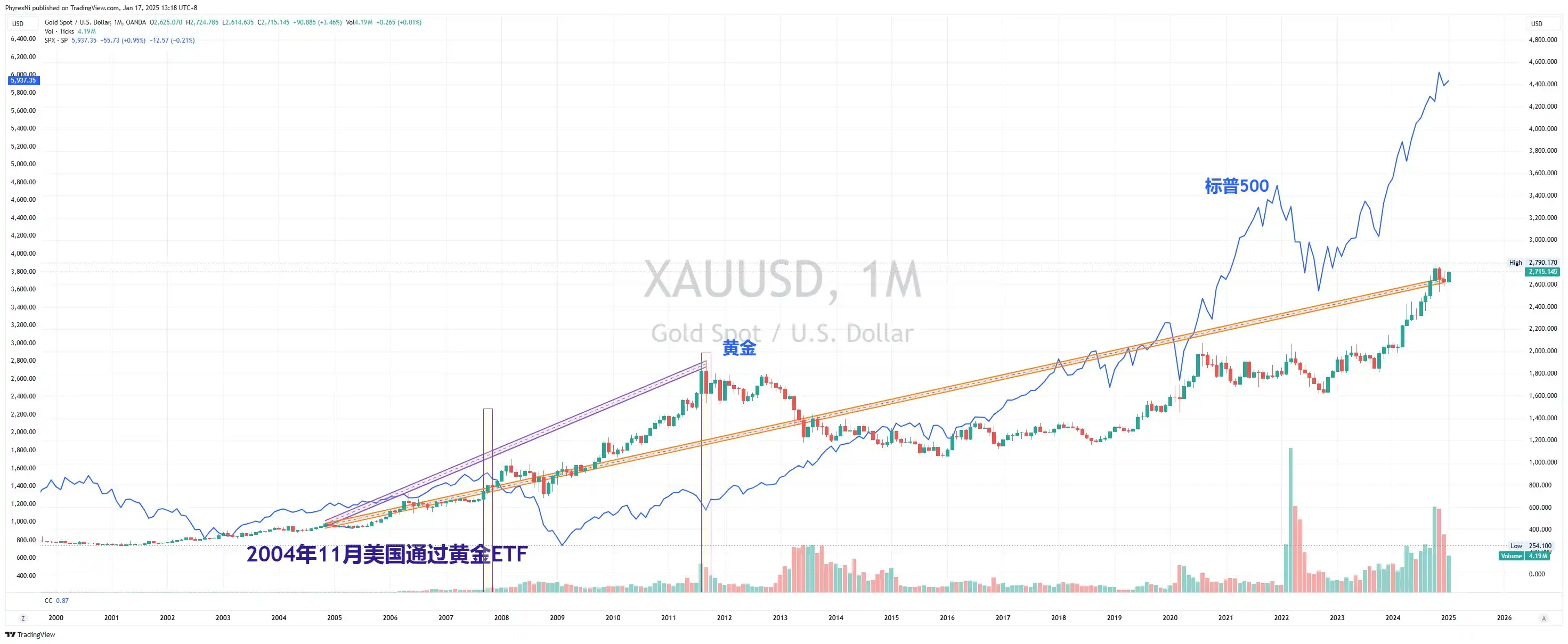
In November 2004, after the United States passed the Gold ETF, gold showed a positive correlation with the S&P 500 for a period. However, when a real crisis occurred, gold's price performance was evidently able to withstand more pressure. The subprime mortgage crisis in 2008 led to a halving of the S&P 500, dropping from a high of 1500 to less than 700 points, while gold only experienced wide-ranging oscillations at that time without forming a major bearish trend. When the economy recovered, gold was the first to recover all losses and reach new highs. When the economy fully recovered and global assets emerged from the shadow of the economic crisis, gold experienced a major oscillation, downtrend, and consolidation.
If we interpret the approval of a BTC ETF as a sign that more people in the market recognize the value of BTC, then when faced with a real crisis adjustment, BTC's resistance and resilience may be redefined. Its pricing logic may change, and perhaps it will return to its originally intended position: a "digital gold" designed to hedge against inflation.
You may also like

Morning Report | BitMine increased its holdings by 126,971 ETH last week; trader Eugene announced his exit from the crypto market

Wang Chuan: How can one not feel anxious after the neighbor Old Wang made thirty times profit by investing in storage stocks? (Seven) - A quarter-century cycle

Cryptocurrency CEXs are flocking to sell US stocks, and traditional brokerages are facing an "uninvited guest."

$75 billion in foreign capital has fled, and South Korean retail investors have absorbed it all using leverage

Japan’s Three Megabanks Plan Joint Stablecoin Issuance in Fiscal 2026
MUFG, SMBC, and Mizuho reportedly plan to jointly issue fiat-pegged stablecoins in fiscal 2026, signaling Japan’s growing push into bank-led digital payment infrastructure.

Humanity Discloses H Token Dual-Chain Attack Details, With Losses on Ethereum and BSC Exceeding $36 Million
Humanity said the H token attack across Ethereum and BSC caused more than $36 million in losses after leaked ProxyAdmin keys enabled malicious contract upgrades and token minting.
White House Discusses CLARITY Act With Law Enforcement Ahead of Senate Vote
The White House discussed the CLARITY Act with law enforcement ahead of a Senate vote, focusing on illicit finance risks and developer protections.

Bitcoin Trading Guide 2026: Strategies for Experienced Traders

What Is XAUT and PAXG? Why Tokenized Gold Is Booming in 2026

Will the SpaceX IPO Hurt Bitcoin? Here's What Traders Are Watching

Foreign selling in the South Korean stock market accelerates, with cumulative net sales reportedly reaching $75 billion this year
On June 9, The Kobeissi Letter, citing Goldman Sachs data, reported that global investors are selling South Korean stocks at an unusually rapid pace. In the latest trading session, foreign investors sold about $801 million worth of Kospi constituent stocks again; total foreign outflows last week reached about $10 billion, and the market has been in net foreign selling on nearly every trading day over the past month. According to the data cited in the report, foreign investors have sold about $75 billion worth of South Korean stocks so far this year. Meanwhile, South Korean retail and institutional investors together recorded roughly $69 billion in net buying over the same period, suggesting that the market’s main buying support has come from domestic capital rather than returning overseas funds. The information currently disclosed still mainly comes from The Kobeissi Letter’s retelling and Goldman Sachs data summaries, while public details on the statistical period and the specific definition of “selling” remain relatively limited.

Fortune Warns of Strategy’s Financing Structure Risks as Bitcoin Premium Narrows
Fortune warned that Strategy’s Bitcoin treasury model faces growing financing risks as MSTR’s net asset premium narrows and preferred stock dividend pressure increases.

Ferrari Challenge Le Mans: Carl Moon to Dominate in WEEX Livery

Sahara AI Responds to SAHARA’s Sharp Drop: No Contract or Product Security Issues Found, Internal Investigation Underway
Sahara AI responded to SAHARA’s 60% price drop, saying no token contract or product security issues have been found and an internal investigation is underway.

WEEX Deposit/Withdrawal Dynamic Island: Your Asset Status, Always in Sight
Scaling Crypto Derivatives: The Digital Asset Infrastructure Behind High-Volume Trading
In the fast-moving digital asset ecosystem, derivatives platforms face an extreme architectural test. High-leverage futures markets demand more than just standard security—they require absolute operational precision, zero-latency matching engines, and ironclad structural scalability, all while navigating intense market volatility.
As global platforms scale to meet these demands, the industry is shifting away from rigid, monolithic setups toward a more agile, "decoupled" infrastructure philosophy.
The Blueprint for High-Volume Copy TradingFor elite global exchanges like WEEX (founded in 2018), this architectural choice becomes critical when scaling high-volume retail features like social copy trading. When thousands of users automatically mirror the real-time strategies of elite traders simultaneously, it triggers sudden, monumental spikes in concurrent transactional volume.
To prevent execution latency or settlement bottlenecks during these peak volatility events, a platform's primary engine must remain entirely dedicated to risk management, copy-trade synchronization, and order matching.
The Architectural Rule: New-generation platforms must separate front-end user execution engines from heavy backend infrastructural overhead to eliminate operational friction.
By separating these layers, platforms can maintain complete sovereignty over their trading environments and user experiences while strategically aligning with institutional-grade infrastructure ecosystems. This strategic framework allows modern exchanges to leverage advanced Digital Asset Custody infrastructure such as Cobo’s behind the scenes, ensuring that backend wallet management scales elastically alongside trading spikes.
Capitalizing on Market Momentum and 400× LeverageIn a derivatives arena where platforms offer up to 400× leverage on perpetual contracts, capital efficiency and market agility are core business metrics. To capture market momentum, an exchange needs the ability to rapidly expand its asset offerings, supporting everything from legacy crypto assets to sudden, trending altcoins across a massive library of trading pairs.
Adopting a flexible, scalable Wallet-as-a-Service (WaaS) solution such as Cobo’s could completely rewrite the development timeline for high-growth exchanges. Instead of spending months of engineering capital building out custom backend wallet architectures for every new blockchain network, platforms can deploy localized infrastructure in days.
This agility allows platforms to instantly scale their listings to over a thousand trading pairs without compromising security or delaying time-to-market. It mirrors the exact operational advantages seen during high-velocity market events, similar to how advanced wallet infrastructure empowers platforms during sudden asset surges; allowing exchanges to pass that speed and liquidity directly to their global user base.
A Mature Foundation for GrowthThe synergy between trusted infrastructure ecosystems and global trading platforms represents the natural evolution of a maturing crypto market. As WEEX continues to scale its global spot and derivatives offerings for over 6 million users, adopting robust backend paradigms proves that platforms no longer have to compromise between cutting-edge trading velocity and uncompromised structural security.

Get Paid to Onboard? Try WEEX’s New Homepage with Rewards for Registration, Deposit & Trade
WEEX Custom Layout: Build Your Perfect Trading Workspace in Seconds
Morning Report | BitMine increased its holdings by 126,971 ETH last week; trader Eugene announced his exit from the crypto market
Wang Chuan: How can one not feel anxious after the neighbor Old Wang made thirty times profit by investing in storage stocks? (Seven) - A quarter-century cycle
Cryptocurrency CEXs are flocking to sell US stocks, and traditional brokerages are facing an "uninvited guest."
$75 billion in foreign capital has fled, and South Korean retail investors have absorbed it all using leverage
Japan’s Three Megabanks Plan Joint Stablecoin Issuance in Fiscal 2026
MUFG, SMBC, and Mizuho reportedly plan to jointly issue fiat-pegged stablecoins in fiscal 2026, signaling Japan’s growing push into bank-led digital payment infrastructure.
Humanity Discloses H Token Dual-Chain Attack Details, With Losses on Ethereum and BSC Exceeding $36 Million
Humanity said the H token attack across Ethereum and BSC caused more than $36 million in losses after leaked ProxyAdmin keys enabled malicious contract upgrades and token minting.


